Add Row
Add Element
cropper
update
Tax Optimization Media Channel
update
Add Element
  • Home
  • Categories
    • TAX TIPS
    • TAX HELP
    • SMALL TO MEDIUM BUSINESS OWNERS
    • TAX PAYER AGE 25 TO 65
    • RETIRED PERSON PLANNING
    • DEDUCTION YOU MISSED
    • Extra News
    • Retirement planning
May 08.2025
2 Minutes Read

Pope Leo XIV: Historic Moment as First American Pope Takes the Helm

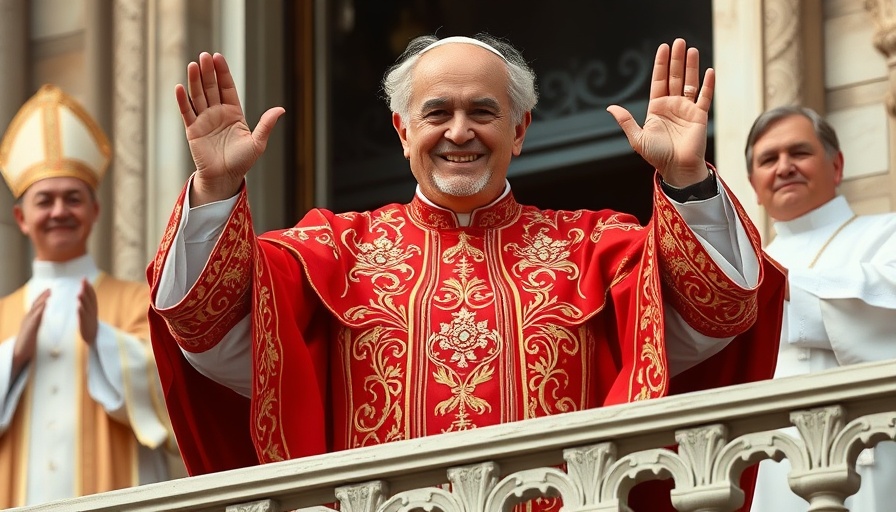
First American pope in ornate robes waving from a balcony.

The Significance of Pope Leo XIV's Election

The election of Cardinal Robert Prevost as Pope Leo XIV marks a historic milestone as he becomes the first American pope in the Roman Catholic Church's 2,000-year history. This unprecedented event occurred during the conclave held in Vatican City, where cardinals gathered following the death of Pope Francis, who served for nearly a decade.

Understanding the Impact of a U.S. Pope

The implications of having an American pope are profound, particularly in the context of the Church's influence in the United States and globally. Prevost's upbringing in Chicago and extensive service in Peru offer him a unique perspective that blends American values with international experience, potentially reshaping the Church's approach to various issues, including social justice, community service, and interfaith dialogue.

A New Perspective for the Catholic Community

Pope Leo XIV's papacy may also signal a shift in the Church's outreach strategies, especially to younger generations and diverse communities. His ability to communicate in Italian and Spanish demonstrates a commitment to inclusivity, although it remains to be seen how he will engage English-speaking congregations. This could lead to an evolution in how the Church connects with its flock worldwide.

Cultural and Political Context

The appointment of an American pontiff coincides with significant political and cultural shifts within the U.S. as well. Given the current socio-political landscape, Pope Leo XIV may focus on bridging divides, promoting dialogue among diverse groups, and addressing underlying tensions surrounding topics like immigration and healthcare.

Looking Ahead: What to Expect

In the months to come, observers will be keenly analyzing how Pope Leo XIV's American background influences his leadership style and priority initiatives. With a strong foundation in the Augustinian Order, he may emphasize community and social service as cornerstones of his papacy. This could reflect a broader trend within the Catholic Church toward addressing contemporary societal challenges through active engagement.

The world watches as Pope Leo XIV embarks on his journey as the first American leader of the Catholic Church, looking for signs of progress and meaningful change in the Vatican's centuries-old traditions.

Extra News

11 Views

0 Comments

Write A Comment

*
*
Related Posts All Posts
01.09.2026

Trump's Military Action Proposal on Cartels Raises Concerns Among Taxpayers

Update Trump's Alarming Proposal: Military Action in Mexico In a controversial interview aired on Fox News, former President Donald Trump stated that he is considering sending U.S. military forces for land strikes against drug cartels operating in Mexico. "We've knocked out 97% of the drugs coming in by water. And we are going to start now hitting land, with regard to the cartels," said Trump. These statements raise serious questions about U.S. foreign policy and interventionism. The Complexity of Intervention Trump's remark about engaging the military in Mexico comes amidst a backdrop of similar threats directed toward other nations, including Cuba and Colombia. Despite a strong stance on combating drug trafficking, experts warn that military action could lead to unintended consequences. Mexico's President Claudia Sheinbaum has responded strongly, expressing that military intervention by the U.S. is not a feasible solution. She pointedly said, "Organized crime is not taken care of with foreign military intervention." Historical Context: Lessons from the Past Historically, past U.S. military interventions in foreign nations have often resulted in complicated aftermaths. The experiences in Afghanistan and Iraq show that military force alone cannot resolve deep-rooted issues such as drug trafficking or organized crime. The idea of launching military operations in Mexico without the support of its government could be viewed as an infringement on sovereignty and could exacerbate tensions further. Public Sentiment and Taxpayer Impact As taxpayers, it's vital to consider the implications of such military endeavors. How would such actions affect our nation's financial priorities? Many in the public are advocating for more strategic, diplomatic approaches to foreign relations that could also alleviate the taxpayers' burden. Future Predictions: What Lies Ahead? With military tensions rising under Trump's leadership, the future of U.S.-Mexico relations hangs in the balance. As cartels continue to operate across borders, the need for comprehensive strategies focusing on law enforcement, intelligence-sharing, and international cooperation will be paramount. The reliance on military might could lead to further complications instead of resolving the challenges posed by drug trafficking. As taxpayers, it's important to stay informed and engaged with these pressing issues, especially as decisions regarding military action could result in significant consequences for taxpayers. Understanding the complex nature of foreign relations can better equip us to influence policy and advocate for more effective solutions.

01.03.2026

Trump’s Military Action Against Maduro Raises Legal and Taxpayer Concerns

Update The Controversial U.S. Military Action Against Maduro The recent announcement of President Donald Trump's military intervention against Venezuelan President Nicolas Maduro has sparked intense debate within Congress. Following Trump's declaration of conducting a large-scale strike that led to Maduro’s capture, a clear divide emerged: Republicans hailed the operation as a decisive step toward liberating Venezuela, while Democrats raised serious questions regarding the legality of this military action. Legal Implications of Trump’s Military Decision Democratic lawmakers have voiced concerns over Trump’s decision, highlighting that the administration bypassed Congress regarding approval for armed conflict. Senator Andy Kim criticized the move, contending that it undermines constitutional processes and could lead to increased international tensions. Such aggressive military actions emphasize the importance of a structured decision-making process within the government when faced with international conflicts. Sparking Fear of Another Prolonged Conflict Critics of the intervention fear that this military action could pull the U.S. into a prolonged conflict, highlighting the historical implications of previous U.S. interventions that often resulted in cycles of violence. Congress's lack of briefing on the operation also raises alarms about transparency and accountability in military decisions. As Trump himself has remarked, the American people are wary of being dragged into another war, suggesting a conflict of interest between military objectives and public sentiment. Impacts on U.S.-Venezuela Relations and Beyond This military intervention is expected to heighten tensions not only between the U.S. and Venezuela but also with other nations that view the action as a violation of sovereignty. The aftermath of this operation may require careful diplomatic handling to avoid escalating the situation further, as well as addressing humanitarian concerns within Venezuela itself. As taxpayers, it's crucial to stay informed about the decisions that affect national security and international relations. Understanding the implications of these actions will allow for better engagement in discussions concerning the direction of U.S. foreign policy and its alignment with democratic ideals. For those looking to better their understanding of such complex issues, consider exploring savvy strategic tax deductions that may alleviate some financial burdens looking ahead.

12.20.2025

Is the Trump-Kennedy Center Name Change Relevant for Taxpayers?

Update Trump's Name Shines Bright at the Kennedy Center In a striking move, the name of former President Donald Trump has been affixed to the facade of the John F. Kennedy Center for the Performing Arts, now officially dubbed the Trump-Kennedy Center. This development comes just one day after the center's board voted to rename the institution, stirring a mix of support and dissent among the public and political figures alike. The Process Behind the Name Change The board of the Kennedy Center has claimed that the vote to rename was unanimous. However, dissenting voices emerged almost immediately, causing controversy. Rep. Joyce Beatty, an Ohio Democrat and member of the board, revealed that she and others faced technical difficulties that muted their ability to vote against the name change. This raises questions about transparency and governance within the arts institution, as Beatty expressed concern over the integrity of the voting process. Why Does This Matter to Taxpayers? For many taxpayers, the renaming of a national arts institution like the Kennedy Center carries significant weight. The federal funding and the artistic legacy of such places often hinge on public support, which can be influenced by political sentiments. Understanding the implications of such name changes can provide taxpayers insights into how their contributions are being utilized, potentially affecting public funding, the arts landscape, and cultural representation within national narratives. Potential Future Implications As this saga unfolds, it highlights the intersection of politics, art, and taxpayer dollars. The ramifications of this decision might lead to larger discussions about the representation of public figures in cultural spaces that are usually perceived as apolitical. Such instances may also sway future legislative decisions regarding funding for the arts, encouraging taxpayers to keep a closer eye on how their dollars are spent. What’s Next for the Kennedy Center? Looking forward, the name change could invite both increased publicity and scrutiny. Stakeholders in the arts community will need to consider how this shift can influence the center's mission and outreach. As artists, patrons, and the general public react to this change, it's essential to stay informed and engaged as these conversations develop. As a taxpayer concerned about the implications of such decisions, consider staying involved and aware of the discussions surrounding public funding and art institutions. Engage with your representatives and express your thoughts. Your voice matters in shaping how our cultural spaces reflect the values of the communities they serve.

Terms of Service

Privacy Policy

Core Modal Title

Sorry, no results found

You Might Find These Articles Interesting

T
Please Check Your Email
We Will Be Following Up Shortly
*
*
*