Add Row
Add Element
cropper
update
Tax Optimization Media Channel
update
Add Element
  • Home
  • Categories
    • TAX TIPS
    • TAX HELP
    • SMALL TO MEDIUM BUSINESS OWNERS
    • TAX PAYER AGE 25 TO 65
    • RETIRED PERSON PLANNING
    • DEDUCTION YOU MISSED
    • Extra News
    • Retirement planning
June 24.2025
2 Minutes Read

Trump Urges Congress: No Vacation Until Spending Bill Passes

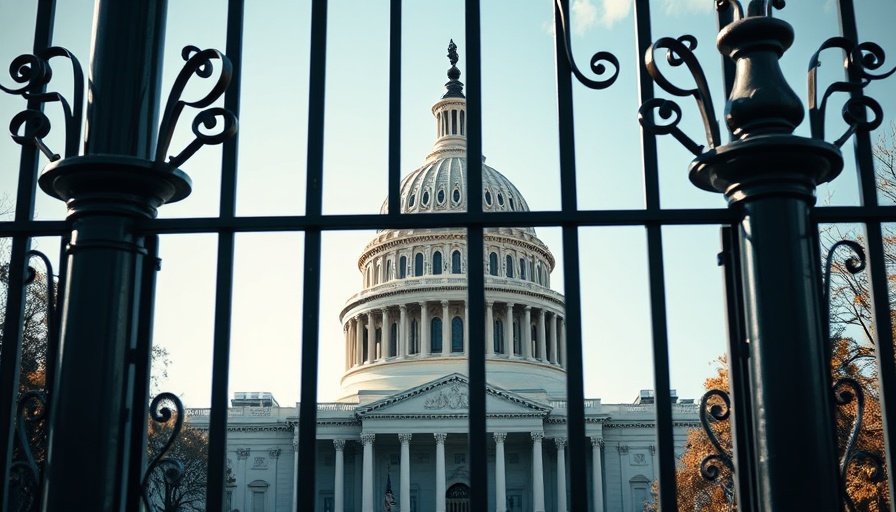
United States Capitol through fence, political urgency.

Trump's Demands: No Vacation Until a Spending Agreement Is Reached

In a bold move, President Trump has issued an ultimatum to Congress, insisting that no lawmaker should take a vacation until his proposed "big, beautiful bill" is passed. With the clock ticking down to the July 4 deadline, Trump communicated this pressure directly to Senate Republicans via Truth Social, stating, "Lock yourself in a room if you must, don't go home, and GET THE DEAL DONE THIS WEEK." This assertive stand illustrates the urgency he perceives surrounding this legislation, which aims to significantly modify the current spending landscape.

The Challenges Ahead

As the Senate pushes to reconcile differing factions within the Republican Party, it faces a formidable challenge in aligning Senators on key bill provisions. Issues such as the impact on federal deficits and the state-and-local tax deduction cap (SALT) are hotly debated among party members. Yet, Senate Majority Leader John Thune remains optimistic, asserting that the vote will occur this week, aiming to send the bill to the House promptly for quick passage. However, doubts linger over whether the House will accept the Senate's version, indicating potential hurdles ahead.

Why This Matters to Taxpayers

The outcome of this spending bill is critical not just for lawmakers, but also for taxpayers across the nation. Funding allocations and tax regulations, particularly aimed at small businesses, are at stake. Savvy strategic tax deductions that could benefit taxpayers—ranging from small business tax deductions to general deductions—hinge on a successful passage of the bill. Navigating through these changes is essential for taxpayers looking to optimize their tax planning strategies and lower their taxes efficiently.

Looking Ahead: What Taxpayers Should Know

As the debate unfolds, taxpayers should stay informed about the implications of the upcoming spending bill. The provisions within could mean significant changes to deductions, potentially affecting household budgets for years to come. For those interested in ensuring they utilize all available tax relief options, keeping an eye on this legislation is crucial.

In conclusion, as pressure mounts on Congress, taxpayers and business owners alike should consider how the passage of this spending bill could influence their financial futures. Understanding the nuances of the bill can empower them to make informed decisions regarding their tax strategies. Stay tuned for updates on the bill's progression.

TAX TIPS

5 Views

0 Comments

Write A Comment

*
*
Related Posts All Posts
01.16.2026

Master Your Tax Season: Avoid Refund Delays and Errors

Update Avoid Common Tax Return Errors & Speed Up Your Refund As we approach the start of a new tax season on January 26, 2026, the Taxpayer Advocate Service (TAS) is urging taxpayers to prepare early to avoid unnecessary hassles that lead to refund delays. This year's campaign aims to highlight the importance of accurate and timely filings, as every year common errors surface that can affect your financial outcomes. Why Accurate Tax Returns Matter Filing taxes can be daunting. Errors, whether they are from incorrect Social Security numbers or typos in bank account details, can cause delays in refunds or even trigger audits. By using year-end income statements like Form W-2 or 1099, rather than pay stubs, you ensure that your reported income aligns with what your employer has submitted to the IRS. Remember, you can't file until you've received these documents—don’t rush! Key Steps to Take Before You File Additionally, double-check all personal information, including the spelling of names, taxpayer ID numbers, and dates of birth. Mistakes at this stage may seem minor but can result in significant processing delays. Review potential deductions and credits you may be eligible for, and attach all required forms before submitting your return. Form 8892 or Schedule EITC, for example, supports specific credits, so don’t miss these! Embrace E-Filing for Efficiency E-filing your taxes is strongly recommended as it simplifies the process and helps ensure that you’re using the most current tax year data. Some tax software automatically imports last year’s data; beware that these numbers can sometimes lead to errors if not updated. If you opt for e-filing with direct deposit, you can typically expect your refund within 21 days. Common Mistakes to Avoid This Tax Season Many taxpayers stumble into simple traps that can delay their refunds. Here are a few mistakes to steer clear of: failing to report all your income, missing signatures on forms, or neglecting to check your attached documents. Each of these pitfalls can lead to setbacks, making your tax season more stressful. As we gear up for tax season, remember: accurate preparation leads to a smoother filing process and less anxiety. Take the time now to gather your documents, familiarize yourself with the IRS guidance, and maybe avoid the last-minute filing scramble. The right preparation today can put money back in your pocket sooner rather than later!

01.15.2026

Trump's Shift to Economic Populism: What It Means for Taxpayers

Update The Rise of Economic Populism in Republican Strategy As the 2026 midterm elections loom, former President Donald Trump is steering the Republican Party towards economic populism, a strategy he hopes will resonate with struggling American taxpayers. Following a downturn in poll numbers, Trump's new economic proposals are nothing short of a pivot to policies traditionally associated with the left. By advocating for caps on credit card interest rates and opposing large private-equity firms buying houses, Trump aims to tackle rising costs that plague everyday citizens. Does Populism Offer a Viable Solution? While Trump's economic proposals might capture headlines, many Republicans are skeptical. The party has long been associated with free-market principles, and this sudden shift towards populism has prompted dissent among party members who fear it dilutes their traditional message. Rep. Don Bacon expressed concern that such changes may echo Democratic rhetoric: "When you talk about limiting businesses buying houses... that's much more like a Democrat messaging to me." With affordability as a hot-button issue, Trump’s ideas may appear attractive to struggling voters, but they also highlight a fracture within the GOP. The Affordability Challenge for Republicans The affordability crisis has dominated political discourse, with Democrats effectively criticizing Republicans on this front. Trump's attempt to address it is not merely reactive; it’s an acknowledgment of voters' frustrations over rising costs. But will these populist policies resonate enough to shift voter sentiment? Evidence from past gubernatorial races suggests that affordability issues may strongly influence voter decisions. Therefore, a pivot to a more populist platform could prove either a lifeline or a risk for the GOP. What It Means for Taxpayers For taxpayers, especially those between the ages of 25 and 65, the implications of these economic proposals could be significant. Tax planning strategies may need to adapt as reforms emerge, particularly around how businesses operate and pay taxes. Notably, reassessing deductions and identifying savvy strategic tax deductions could help mitigate the shifting landscape of fiscal policy. The efficacy of Trump's populist approach begs the question: can it truly deliver the changes needed to lower taxes and improve the economic outlook? As America gears up for the midterms, taxpayers ought to stay informed about these developments. Keep an eye on how these policies evolve and their potential impact on your taxes. Now is the time to evaluate your own tax strategy to ensure you are not missing deductions that could benefit you.

01.15.2026

The Implications of Iran's Airspace Closure Amid U.S. Tensions

Update Iran's Airspace Closure Amid Rising Tensions As U.S.-Iran tensions escalate, Iran has temporarily closed its airspace to most flights, a move that has significant implications for global travel. This closure was announced with a notice from the Federal Aviation Administration (FAA), restricting operations from late Wednesday night into early Thursday morning UTC. While some international flights to Tehran are exempt with prior approval, many airlines, including Emirates and Lufthansa, have already begun rerouting flights around Iranian airspace. The Background: A History of Tension This latest airspace restriction comes in the wake of protests in Iran and threats from U.S. President Donald Trump, who has indicated possible military interventions in response to Iran's crackdown on dissent. Observers recall similar escalations that have historically impacted airline operations and international relations. An airspace closure is not just a matter of national security; it reveals underlying political tensions that stretch back decades. Impacts on Airlines and Travelers As major airlines adjust their routes, travelers are affected directly. India's IndiGo and Germany's Lufthansa have announced cancellations or reroutes, reflecting a broader pattern of caution among global carriers. The U.S. has already prohibited all American commercial flights from flying over Iran, a decision grounded in safety considerations. For travelers, this means potential delays and rebooking frustrations as they navigate these geopolitical waters. What This Means for Global Politics With increased military presence on both sides, observers are concerned about the potential for miscalculations that could escalate to armed conflict. Trump's recent softening of rhetoric complicates this narrative, suggesting a possible shift in strategy aimed at de-escalation. However, amid warnings from various governments, the international community watches closely, aware that instability in the region can have far-reaching effects. Conclusion: Staying Informed in Times of Uncertainty The situation remains fluid, and both travelers and taxpayers should remain vigilant. Being informed is essential not only for immediate concerns related to travel but also for understanding the broader implications of international relations that can affect economic stability and national security. If you're a taxpayer concerned about how geopolitical tensions might affect economic policies, consider seeking savvy strategies for tax planning in uncertain times. Understanding international affairs can empower you to make more informed financial decisions.

Terms of Service

Privacy Policy

Core Modal Title

Sorry, no results found

You Might Find These Articles Interesting

T
Please Check Your Email
We Will Be Following Up Shortly
*
*
*